 Image 1 of 3
 Image 2 of 3
 Image 3 of 3
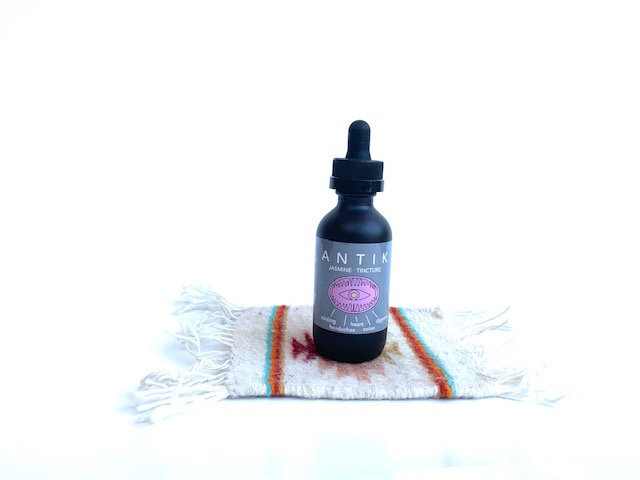
Jasmine flower herbal medicine tincture, when used internally, is made from the delicate and aromatic flowers of the jasmine plant (Jasminum spp.). It has historically been used for various potential health benefits, particularly in traditional Chinese medicine and Ayurveda.
Potential Benefits of Jasmine Flower Herbal Medicine Tincture:
Calming and Relaxing Properties: Jasmine is often used for its soothing and stress-reducing effects. It is believed to have mild sedative properties that can promote relaxation and help alleviate anxiety1.
Digestive Support: In some traditional systems of medicine, jasmine has been used to aid digestion and reduce symptoms such as bloating and indigestion2.
Aromatherapy: In addition to internal use, jasmine flowers are frequently used in aromatherapy for their uplifting and mood-enhancing qualities1.
How to Use:
Jasmine flower herbal medicine tincture is typically taken orally by diluting it in water or other beverages.
Follow the recommended dosage instructions provided by the manufacturer or a healthcare professional.
Precautions:
Individuals with allergies to jasmine or other plants in the Oleaceae family (such as olive or lilac) should use jasmine tincture with caution to avoid potential allergic reactions1.
Pregnant or breastfeeding women should consult with a healthcare provider before using jasmine tincture, as its safety in these circumstances is not well-documented.
As with any herbal supplement, it is important to ensure the quality and safety of the product, and to seek guidance from a healthcare professional, particularly if you have any underlying health conditions or are taking medications.
Sources:
Sources:
"The Health Benefits of Jasmine Flowers." The Herbal Resource, www.herbal-supplement-resource.com/jasmine-flowers-medicinal-uses.html. ↩ ↩2 ↩3
"Jasmine Tea Benefits + How to Make Jasmine Tea - Dr. Axe," Dr. Axe, www.draxe.com/nutrition/jasmine-tea/. ↩